Tree Pruning
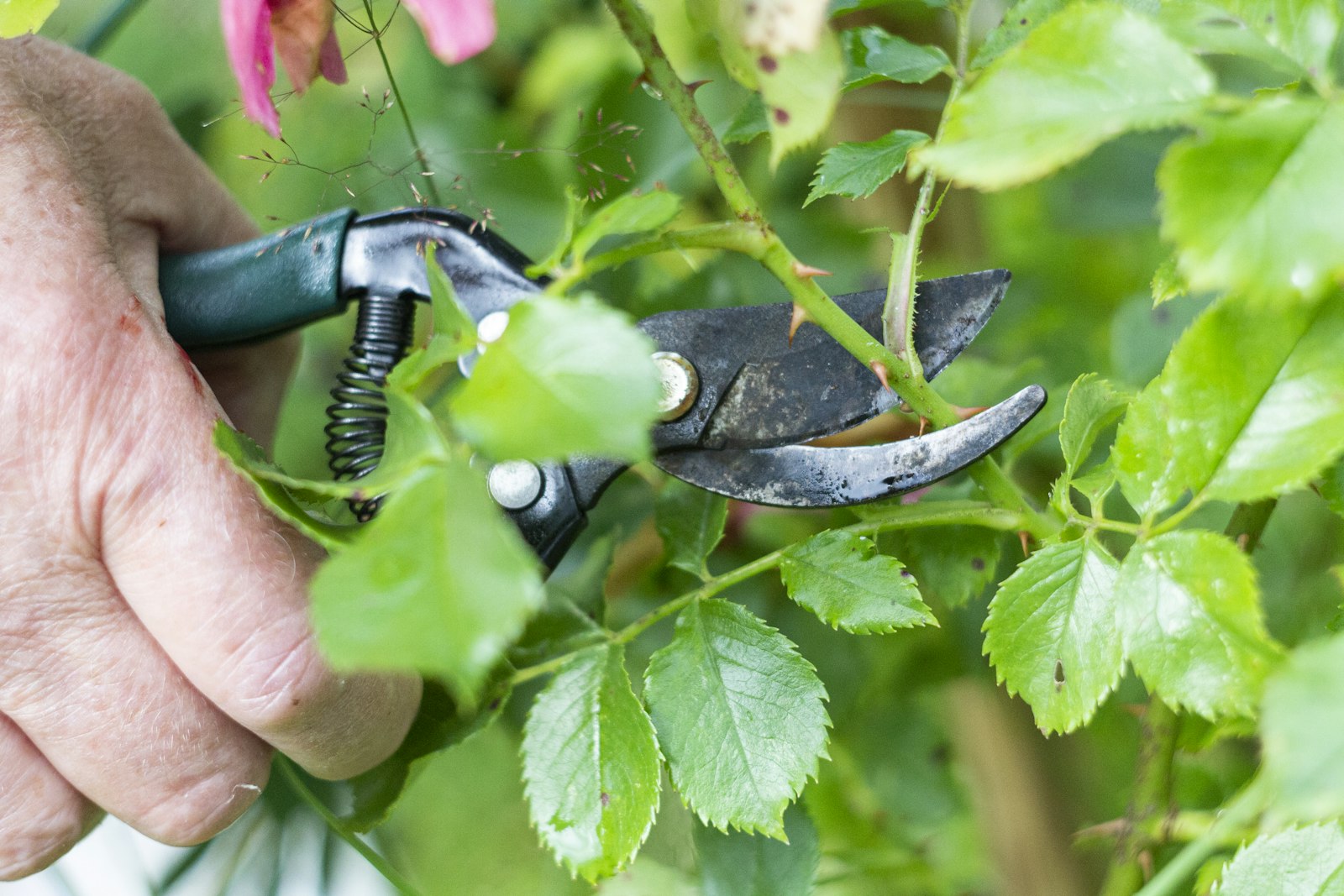
Selective pruning that keeps the tree shaped, structurally sound, and out of the roof — never topped, never butchered.
starts at $250 · per visit
Magnolia, TX · Tree work since 2003
Victor Ortiz and a small crew, working trees across Magnolia, Tomball, and Montgomery County since 2003. Climbing, bucket-truck, crane work — whatever the tree calls for.
24-hour storm response. Insured, references on request, hablamos español.
What we do
We don’t mow lawns. We don’t spray weeds. We work trees — pruning, removals, stump grinding, storm response, cabling, crane picks, and selective land clearing. That’s the whole list, and we do it every day.
Selective pruning that keeps the tree shaped, structurally sound, and out of the roof — never topped, never butchered.
starts at $250 · per visit
Whole-tree takedowns when the tree is dead, declining, or hazardous — climbed or bucket-truck, with the lawn left intact.
starts at $450 · per visit
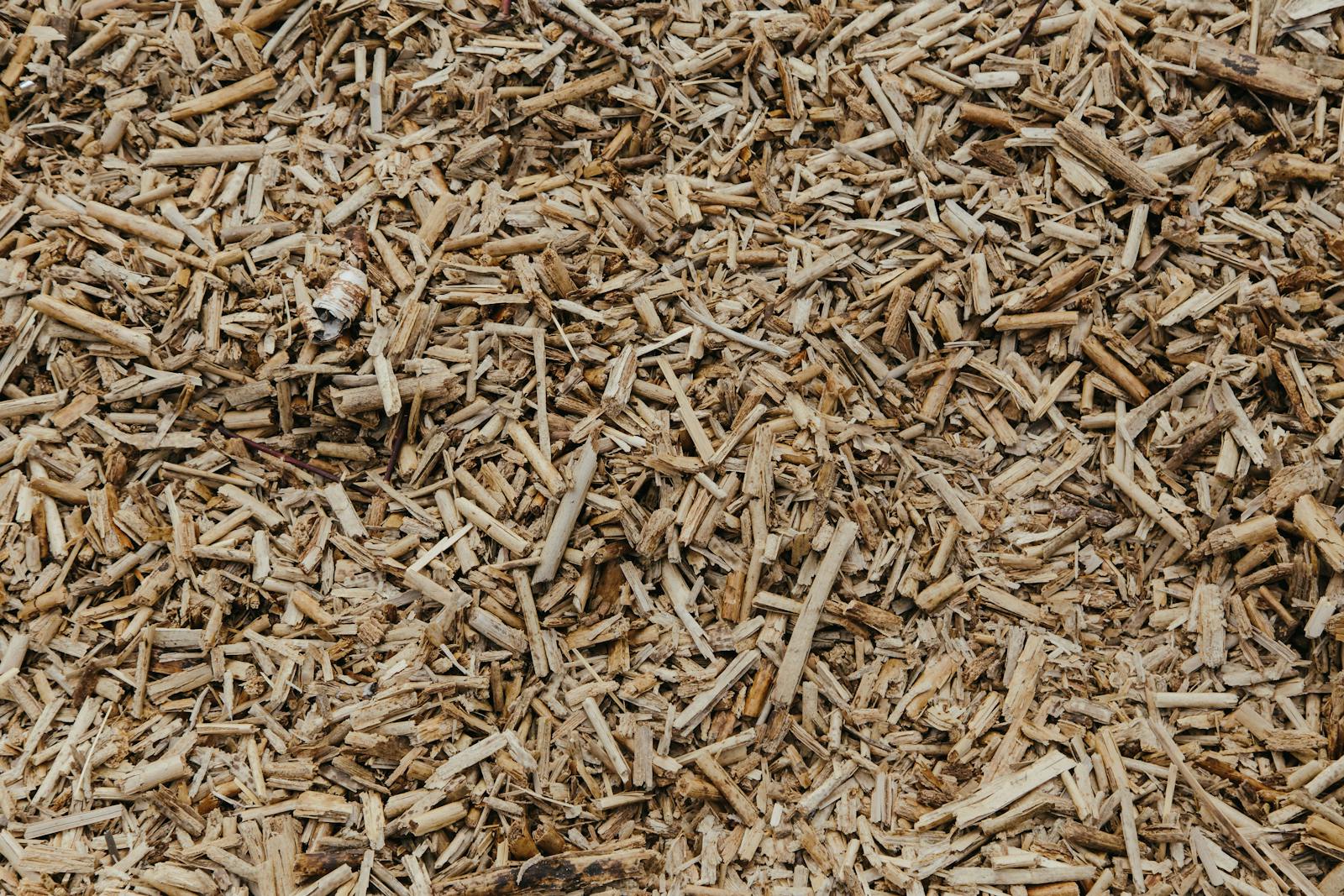
Grind the stump 6–10" below grade so you can sod over it or plant something new — chip cleanup included.
starts at $150 · per visit
24-hour response for downed trees, hung-up limbs, split crotches — we work with your insurance adjuster on the documentation.
starts at $350 · per visit
Pull weight off long lateral limbs, clean out dead and crossing wood — without topping or lion-tailing.
starts at $350 · per visit
Steel cables and rod bracing for trees with co-dominant stems or included bark — keeps the tree standing instead of splitting in half.
starts at $400 · per visit
For the giants — 80-foot pines, decayed oaks over the house, anything too dangerous to climb. Crane-pick, no lawn damage.
starts at $1800 · per visit
Selective clearing on Magnolia and Pinehurst acreage — keep the legacy trees, take out the underbrush and the leaners.
starts at $1200 · per visit
When to call
Not every tree on a Magnolia lot needs a chainsaw. But these are the things Victor looks for first when we walk a property — the cheap fix today versus the expensive surprise next storm.
Call for a free walk-throughHeavy lean that wasn’t there last year
A tree that has shifted — or where soil at the base is heaving on one side — is telling you the root plate is failing. Don’t wait for it to confirm the suspicion at 2 a.m.
Mushrooms or fungal conks on the trunk
Conks at the base or hard fungal shelves higher up are above-ground evidence of internal decay. The wood inside is already going.
Co-dominant trunks with included bark
Two trunks of similar size meeting in a tight V, with bark folded inward at the union — common on post oaks here. Cabling now beats catastrophic split later.
Dead branches in the upper canopy
Bare branches above the leafy canopy don’t self-prune politely — they drop, often onto whatever is parked underneath. Crown cleaning gets them out before the wind does.
Buried or rotting root flare
The trunk should flare visibly at ground level. If it goes into the soil like a telephone pole, the roots are likely girdled or rotting. Common on trees that were planted too deep.
Cracks running with the grain
A vertical seam down the trunk — especially one that opens and closes with weather — means the tree is already failing. Get eyes on it before the next thunderstorm.
How it works
We try to make hiring us boring in the best way — predictable, quiet, easy to explain to your spouse.
We come out the same day or the next, look at the tree from every angle, and tell you what we see — what has to come down, what can be saved, what can wait.
You get a flat, written price before we leave. No add-ons after the fact, and no charge for the assessment whether you hire us or not.
On the day, we tarp the lawn, rig limbs out instead of dropping them, grind the stump if you want it gone, and blow the driveway clean before we pull away.
Gallery
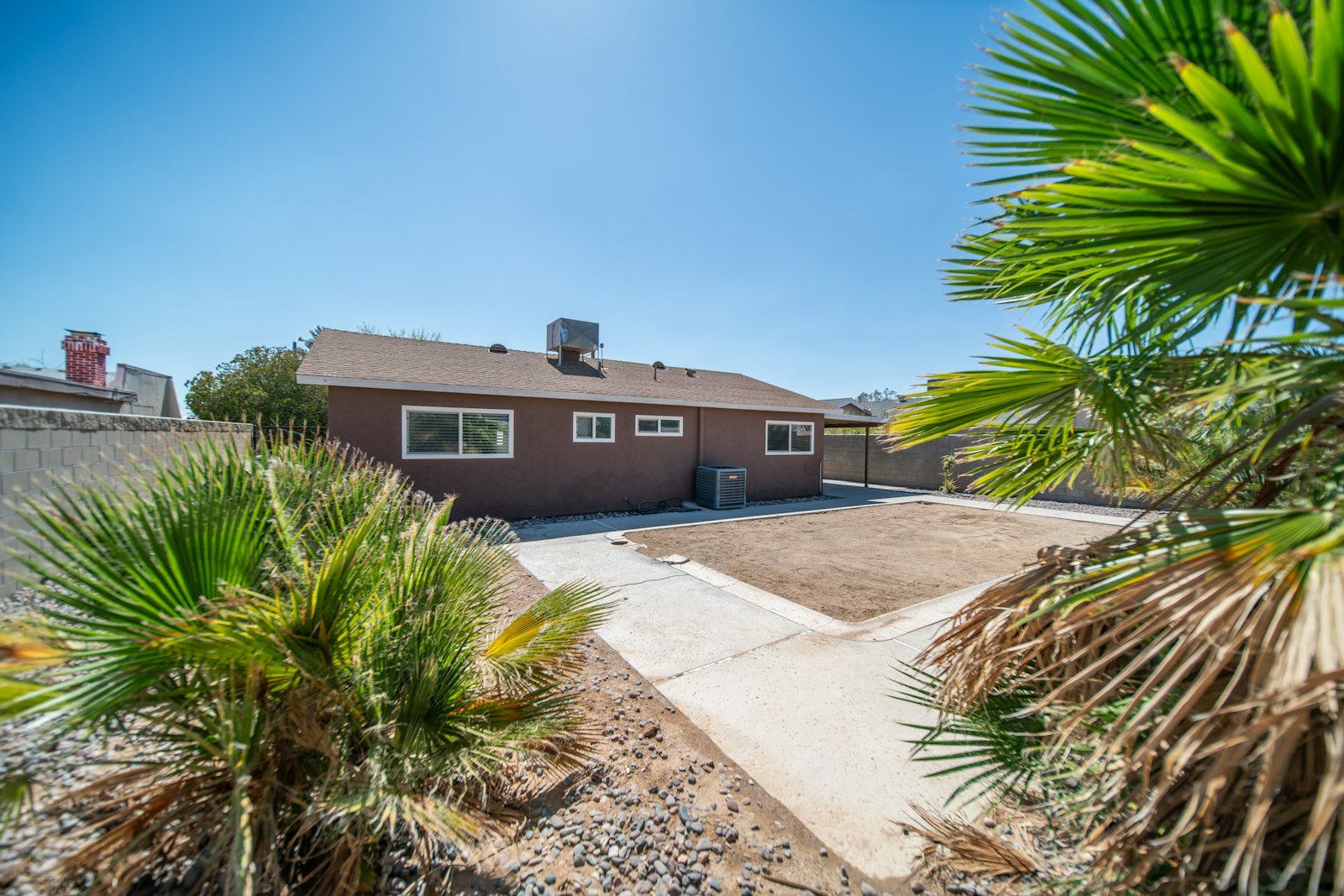
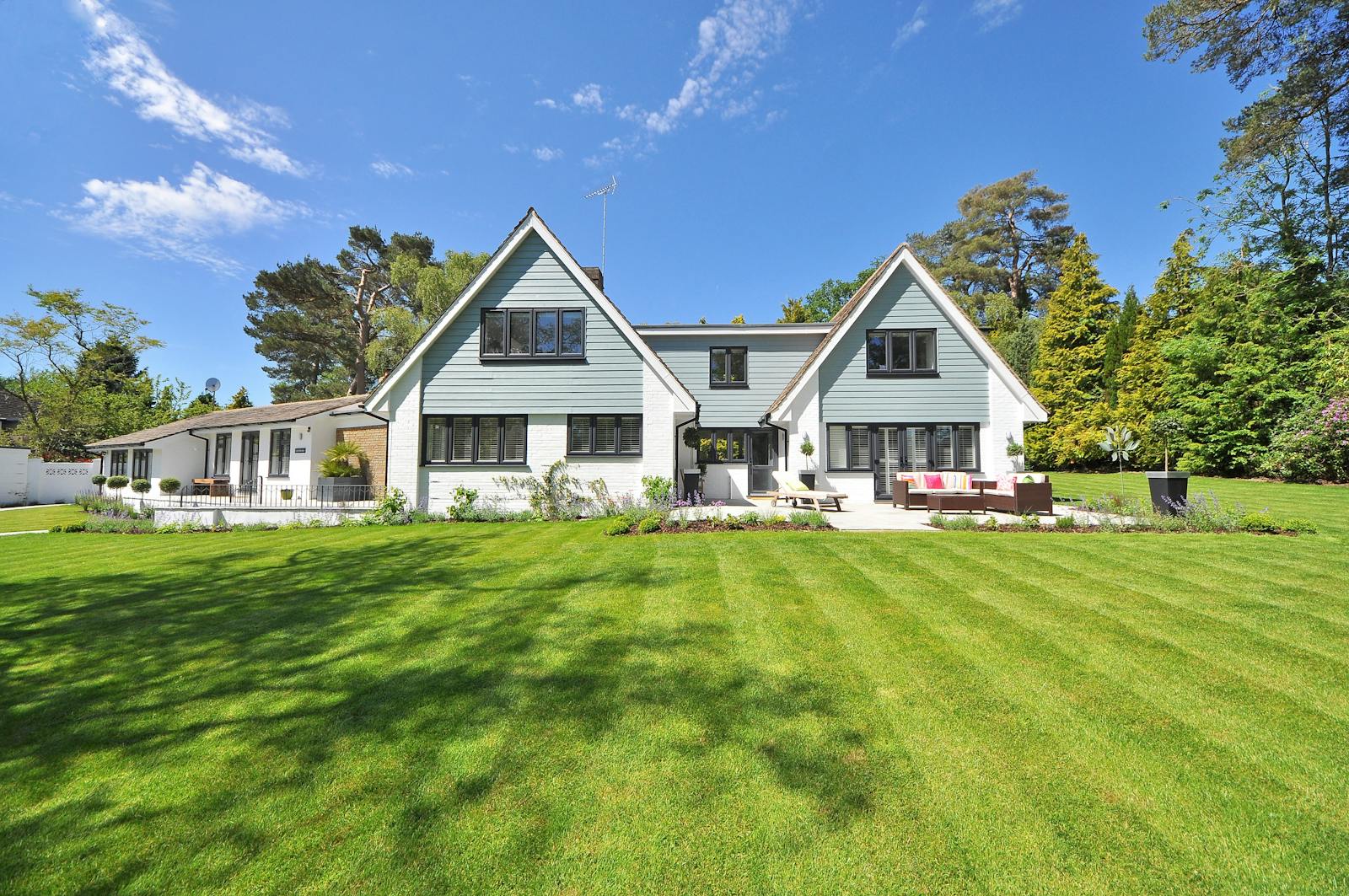
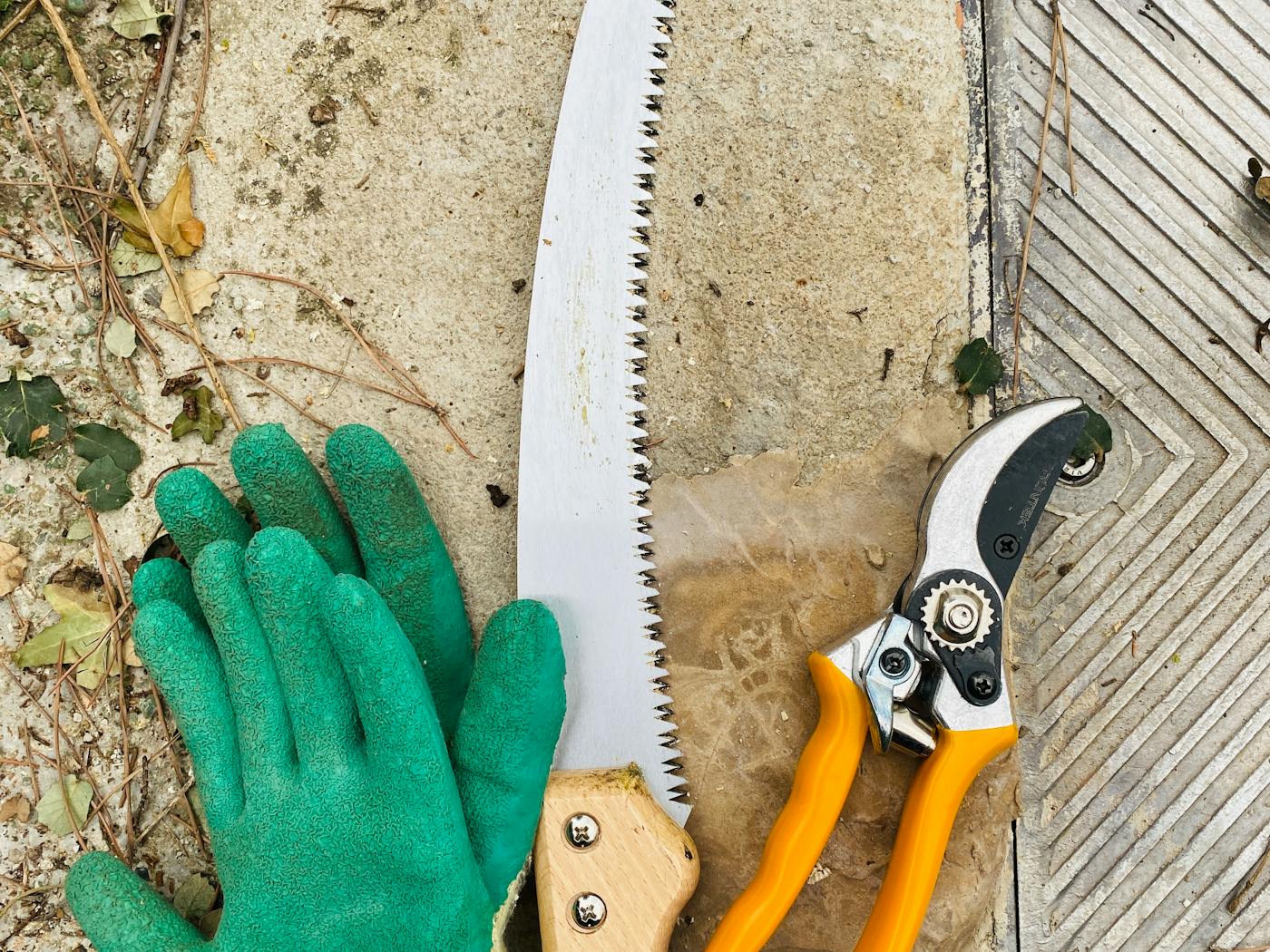
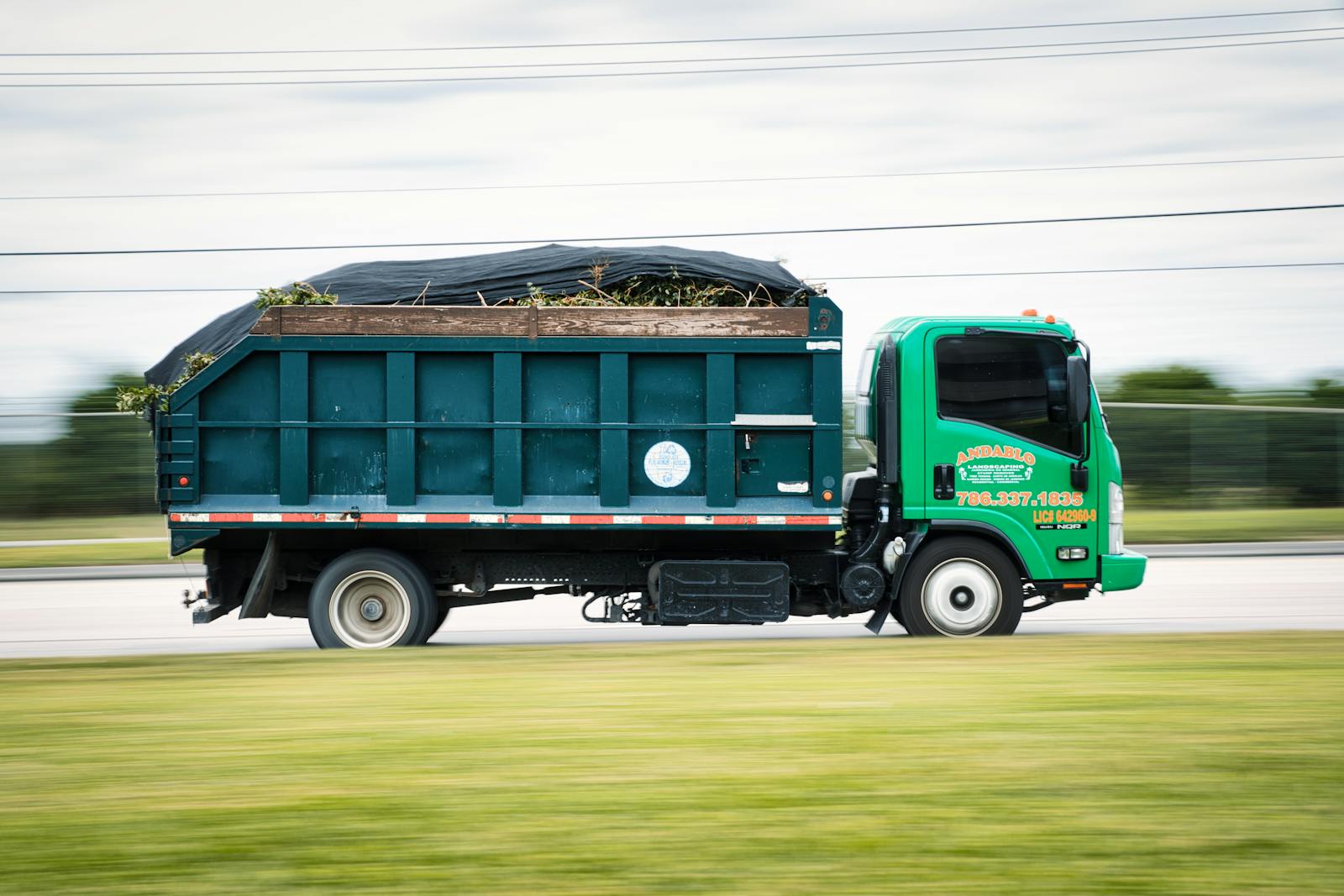
Everything from a thirty-minute pruning visit to a three-day crane removal. We treat the lawn like ours — drop cloths, plywood mats, and a final blow-down before we leave.


Local knowledge
Magnolia, Tomball, Pinehurst, Hockley — this is post-oak, loblolly-pine, and live-oak country. Each species fails differently. Pines drop tops in straight-line winds. Post oaks split at co-dominant unions. Live oaks are the ones we’re most careful with between February and June.
Oak wilt season: February through June, we don’t prune red or live oaks unless the cut is sealed within fifteen minutes — it’s how the fungus spreads, and Montgomery County has active suppression zones. If you’ve got a structural concern in that window, call us — we’ll come look and tell you whether it can wait.
In their words
The neighbors and longtime customers we’ve worked with around Magnolia and the Woodlands.
Victor came out the same afternoon I called — a big oak limb was hung up over the back porch from a thunderstorm. He climbed it, rigged it down in three pieces, and the lawn was completely untouched. Fair price, no surprises.
Maria L.
via Google
We had two pines threatening the roof and one of them was a real giant. Victor brought a crane in for the big one — no way that comes down safely otherwise. He walked us through every cut. The crew left the yard cleaner than they found it.
Daniel R.
via Google
I’ve called V. Ortiz three times now — pruning the live oaks, grinding two stumps, and a dead post oak last fall. Victor calls back the same day every time and quotes on the spot. Honest about what does and does not need to come down.
Theresa W.
via Yelp
Call now. Victor returns calls the same day, quotes on-site, and there’s no charge to come look.
Get a quote
The more you can tell us — species, height, what’s underneath — the more accurate the on-site quote will be. Photos help.
Good to know